AI Automation for AV Service Departments
Cutting the time technicians spend re-solving known issues by making past tickets, manuals, and fixes instantly searchable — plus assisting techs in the field and generating service documentation.
The service department is where an integration company quietly loses hours it never gets back. A display will not sync. A control processor keeps dropping off the network. A DSP behaves strangely after a firmware update. A technician spends an hour diagnosing it — and somewhere in your ticketing system is a note from two years ago where someone already found the fix. The problem was solved once. It is being solved again because nobody could find the first answer.
That is the core inefficiency in most service operations, and it is not a skills problem. Your technicians are good. They are just re-solving known issues because the company's accumulated experience is locked in tickets, manuals, and a few people's memories, none of which are searchable when a tech is standing in front of a broken system.
Make what you already know searchable
The single highest-value thing a service department can do with AI is make its own history retrievable in plain language. Every resolved ticket with a real fix in the notes, every device manual, every field workaround your team has discovered — fed into an assistant so a tech can ask a question the way they would ask a colleague.
- 'We've seen this encoder drop off the network before — what was the fix?' returns the actual resolution, not a search result to read through.
- 'What firmware version did we settle on for this DSP after the sync issue?' pulls the answer from the ticket where it was decided.
- 'How do we usually wire this display's control?' surfaces the way your company has done it on past jobs.
The effect is direct: the time a tech spends re-diagnosing a known issue collapses, because the company's own past answer is one question away instead of buried in a system nobody searches.
Your service department's biggest asset is not a tool or a truck roll — it is the accumulated record of every problem you have already solved. The job is to make it findable.
Assist the tech in the field
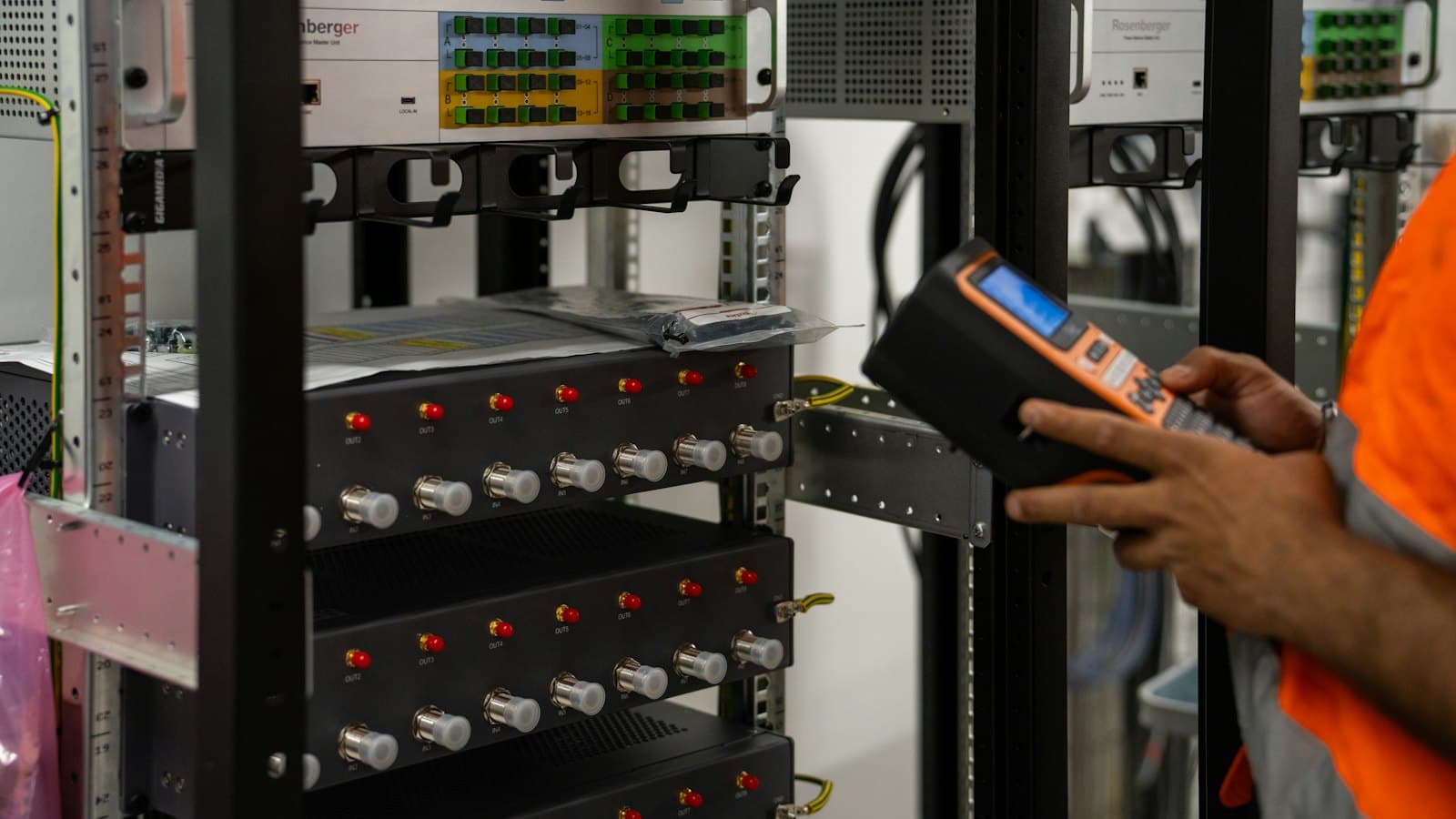
A technician on site is often working alone, and the person who knows the system best is back at the office or on another job. An assistant that has read the project files and service history for that specific client gives the field tech a reference they can query on the spot — what equipment is in this rack, how this room was programmed, what has failed here before. It does not replace the tech's judgment; it gives them the context a colleague would, without needing to interrupt a colleague.
This matters most for the systems your best people built and understand and everyone else finds opaque. When the history of a system is searchable, any qualified tech can service it competently, instead of every tricky call routing back to the one person who remembers how it was wired.
Generate the service documentation
Service documentation is the work that never gets done because it comes after the fix, when the tech is already onto the next call. An assistant is well suited to the first draft. Given the ticket notes and the resolution, it can produce a clean service record, a summary of what was done, and — importantly — a reusable knowledge entry so the next person who hits the same issue finds it immediately. The tech reviews and corrects it; they are not writing it from scratch. That single habit is what keeps the searchable history growing instead of going stale.
It has to know your systems
A generic model can tell a technician how a protocol works in general. It cannot tell them that this specific client's system had a recurring issue with a certain switcher, or how your company prefers to wire a particular display, because it has never seen your systems or your tickets. Generic AI knows AV equipment. An assistant grounded in your service history knows how your company's installed systems behave and how your team has fixed them before — and in service, that specific knowledge is the whole value.
The technician stays in charge
None of this diagnoses the problem for the technician or makes the repair call. It hands them the relevant history and drafts the write-up afterward. The diagnosis, the judgment about what is actually wrong, the decision about how to fix it and whether the client needs a bigger conversation — that stays with the tech, where it belongs. The assistant removes the part of the job that is pure lookup and paperwork so the technician spends more of the visit actually solving the problem.
A service department that stops re-solving known issues is faster, more consistent, and far less dependent on who happens to be available. The way there is not working harder on diagnosis — it is making the answers you already have easy to find and letting your technicians spend their time on the problems that are genuinely new. Automate the repetition, protect the craft.
- Most service problems have already been solved somewhere in your ticket history — the cost is finding it, not fixing it.
- Making past tickets, manuals, and fixes searchable in plain language cuts repeat diagnosis time sharply.
- AI can assist a tech in the field and draft service documentation, keeping the technician's judgment central.
- An assistant grounded in your own service history beats a generic model that has never seen your systems.